

Your cheeks look hollow, your jawline sags, and the dark circles won’t quit, even as the scale drops. One finding: midface volume loss can be dramatic after fast weight loss. Here’s the real reason your skin can’t keep up.
Key Takeaways
“Ozempic face” happens when rapid fat loss in the cheeks and temples leaves skin without its usual support, creating a sunken or aged look
The condition is not unique to GLP-1 medications - any fast weight loss, including from restrictive dieting or surgery, can trigger the same facial changes
People over 40 tend to notice these changes more because collagen and elastin have already declined with age, giving skin less ability to bounce back
Slowing the pace of weight loss and supporting the body with proper nutrition may help the skin keep up with fat loss
An identity-based approach to weight loss, described by Weight Loss Mindset, focuses on steady change rather than rapid restriction that can stress both the body and the face
Rapid weight loss often gets celebrated for the number on the scale, but the mirror sometimes tells a different story. Cheeks that once looked full can appear hollow. A jawline can start to sag. Dark circles can deepen almost overnight. This change has picked up a nickname thanks to the popularity of GLP-1 medications, but the real story is about speed, skin, and the structures underneath a person’s face.
The Hollow Look Behind Rapid Weight Loss
Weight loss success stories usually focus on clothing sizes and energy levels, but faces tell a quieter, less flattering part of the story. When someone sheds pounds quickly, especially through appetite-suppressing medications or strict calorie cutting, the face is often one of the first places the loss shows up. That’s because facial fat disappears before stubborn fat in other areas, leaving skin that hasn’t had time to adjust.
This pattern has become common enough to earn its own label, but it reaches far beyond medication users. Weight Loss Mindset, a coaching program built around identity-based habit change, points out that the body does not distinguish between fast weight loss from a prescription and fast weight loss from an extreme diet. The pace of change, not just the amount, determines how a person’s body and face respond.
Understanding why this happens can help someone decide how to approach weight loss in a way that protects both health and appearance. The explanation involves facial anatomy, skin biology, and the natural aging process working together.
What Exactly Is ‘Ozempic Face’?
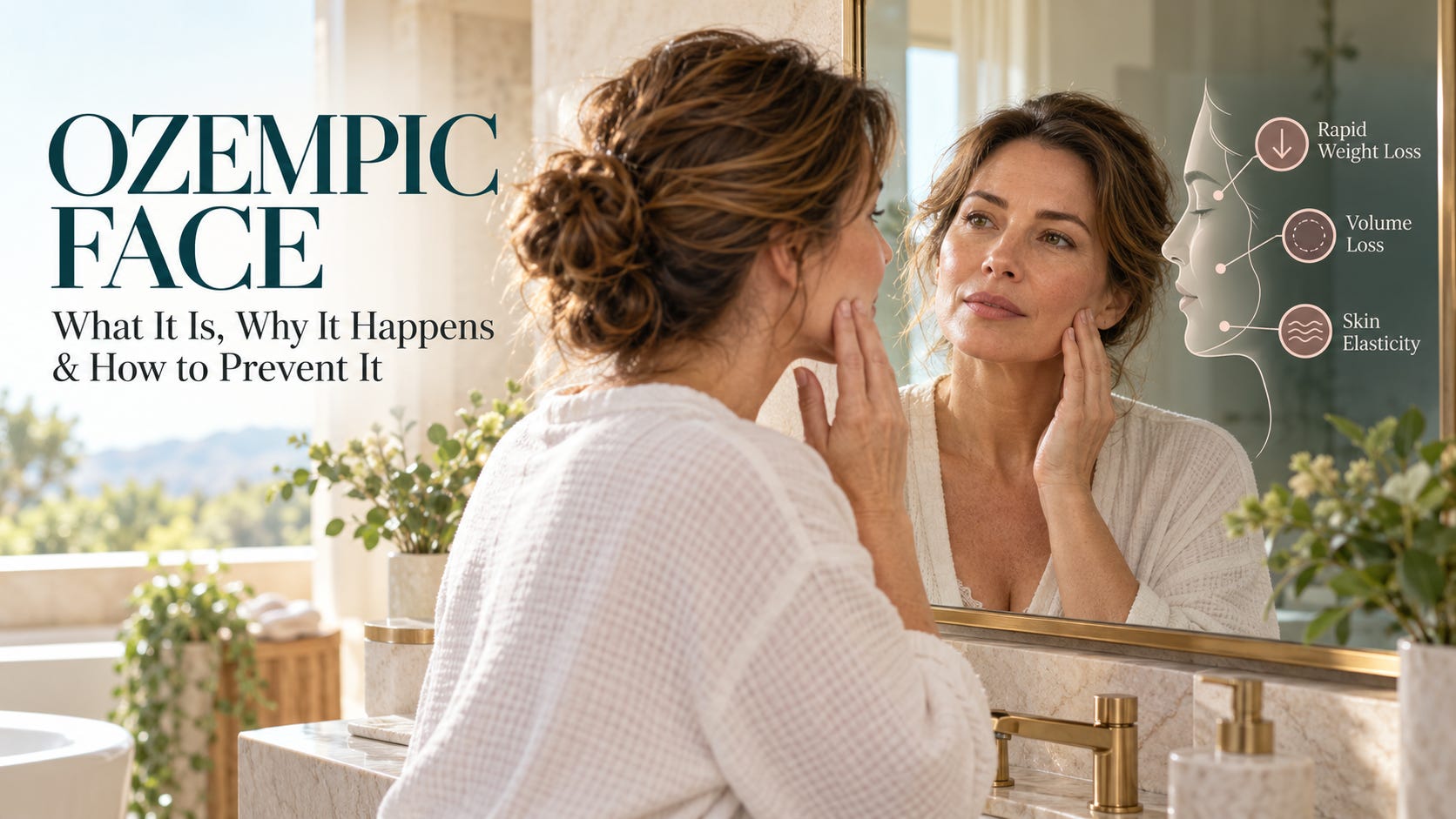
“Ozempic face” describes a cluster of facial changes that tend to appear after fast, significant weight loss. The face can look deflated, older, and tired, even when the rest of the body looks leaner and healthier. The term became popular alongside the rise of semaglutide medications, but it describes an effect rather than a medication side effect in the traditional sense.
Signs: Sunken Cheeks, Loose Jawline, Dark Circles
The visible signs tend to cluster around a few key areas of the face. These include:
Sunken or hollow cheeks, where fullness used to sit
A looser jawline with new sagging or drooping skin
Dark circles or hollowing under the eyes
Deeper nasolabial folds, the lines running from nose to mouth
More visible wrinkles and fine lines across the face
These signs often appear together rather than one at a time, because they all stem from the same underlying cause: a sudden drop in facial volume paired with skin that has not caught up.
Not Unique to Medication - Any Fast Loss Can Cause It
This pattern of facial change is not something only GLP-1 medications cause. Bariatric surgery patients, people following very restrictive diets, and anyone who loses weight unusually fast can experience the same hollowed-out look. The medication itself does not directly age the skin; rather, the speed of the fat loss it produces is what stresses the face’s support structure. This is one reason the term has started showing up in general discussions about rapid weight loss, beyond conversations about semaglutide alone.
Why Fat Loss Changes the Face So Fast
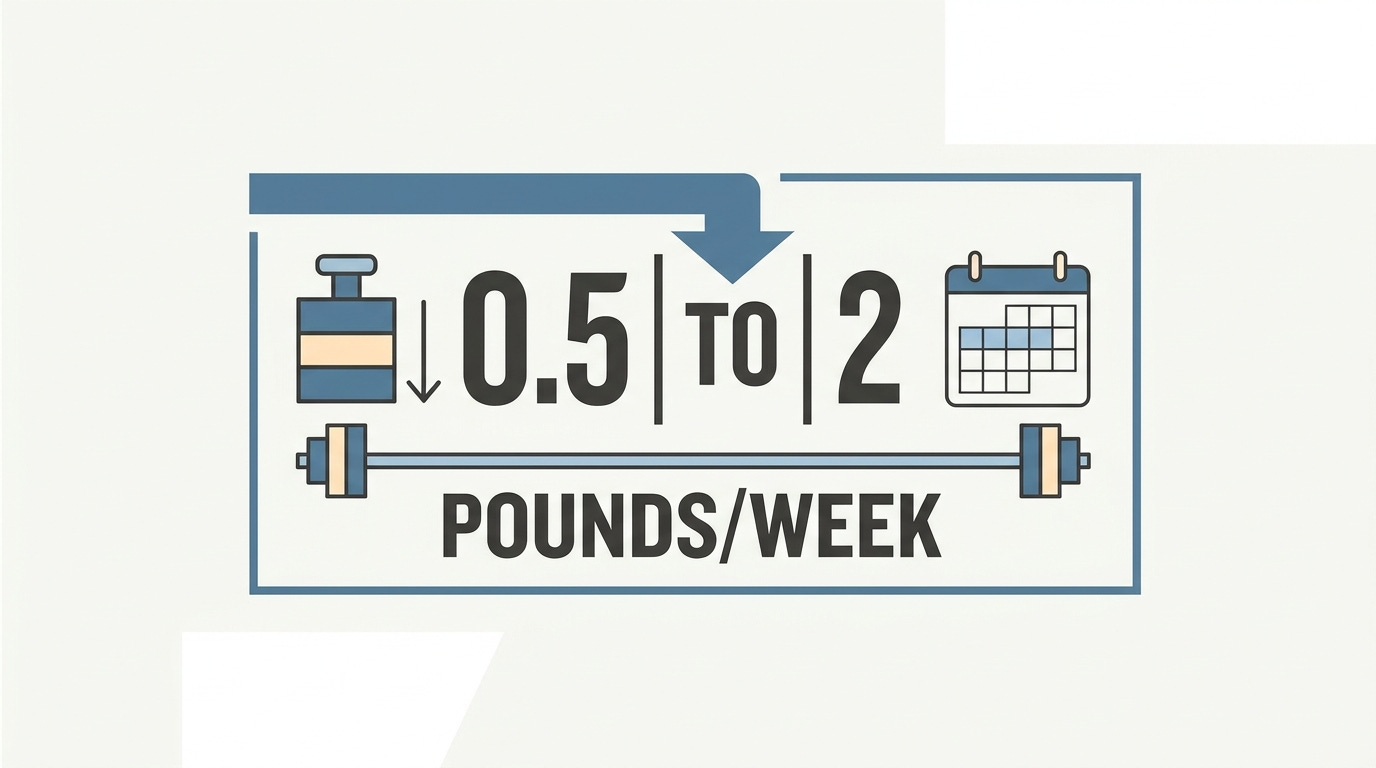
The face relies on a delicate balance of fat, muscle, and skin to keep its shape. When weight loss happens quickly, that balance can shift before the body has a chance to adjust smoothly.
Facial Fat Provides Structural Support
Facial fat does more than add softness. It cushions the underlying bone and muscle, giving the face its youthful contours and smooth transitions between features. The cheeks, temples, and under-eye areas all depend on this fat pad for fullness. Once that cushioning shrinks, the bone structure underneath becomes more visible, and the skin that once stretched over a fuller face now drapes over less volume.
How Much Volume Can Disappear
Research following people using semaglutide found that participants lost a meaningful share of their midface volume, enough to make features look noticeably more hollow and wrinkles stand out more. The cheeks and the area around the eyes tend to show the steepest volume loss.
Why Skin Can’t Keep Up
Skin is elastic, but that elasticity has limits. When fat disappears faster than skin can tighten around the new, smaller shape, the result is loose or sagging skin rather than a smooth, toned appearance.
Collagen and Elastin Decline With Age
Collagen and elastin are the proteins responsible for keeping skin firm and bouncy. Collagen naturally declines at a steady pace starting around age 25, which means the skin of someone in their 40s, 50s, or 60s already has less of this support built in before any weight loss even begins. Rapid fat loss on top of that decline compounds the problem, because the skin has fewer resources to pull from when it needs to shrink and tighten quickly.
Nutrition’s Role in Skin Repair
Skin repair depends heavily on what the body has available to work with. Reduced calorie intake, especially when paired with appetite-suppressing medication, can mean lower protein and micronutrient levels unless meals are planned carefully. Protein and vitamin C both play direct roles in collagen production, so a diet that’s too thin on either nutrient can leave skin without the raw materials it needs to adapt. Hydration and genetics also factor into how well any one person’s skin bounces back.
Who Notices These Changes Most
Age plays a significant role in who ends up with the most visible facial changes after rapid weight loss. Someone who is 25 has a deeper reserve of collagen and elastin to draw on, so their skin often adjusts more smoothly even after a fast drop in weight. Someone over 40 is working with skin that has already lost a portion of that natural elasticity, which means sagging and hollowing tend to show up more quickly and linger longer.
Women tend to lose a higher percentage of body weight than men when using GLP-1 medications, based on available findings, which may explain why facial drooping gets reported more often among women taking these drugs. Sun exposure over the years adds another layer, since UV damage independently contributes to wrinkles, age spots, and reduced skin elasticity, making facial changes from weight loss even more pronounced on sun-exposed skin.
Rethinking Weight Loss Beyond the Scale
Facial changes offer a useful reminder that the scale number is not the only measure of how weight loss is going. The method and the pace matter just as much as the pounds lost.
Why Restriction and Willpower Backfire
Strict restriction, whether from an extreme diet or an aggressive medication protocol, puts the body under a kind of pressure that rarely holds steady over time. This pattern works like a slingshot: the harder someone pulls back through restriction, the harder the body tends to snap forward once willpower runs out. That cycle doesn’t just undermine long-term results; it can also mean repeated rounds of fast loss and regain, which is particularly hard on facial skin that gets stretched and deflated more than once.
Addressing the Root Instead of the Symptom
Rather than treating weight loss purely as a numbers game of calories in and calories out, addressing the habits and thought patterns driving food choices in the first place tends to support changes that last. Steady, sustainable progress gives the body, and the face, more time to adjust gradually rather than being forced into rapid shifts that skin and underlying fat structures struggle to match.
Facial Change Reflects the Speed, Not Just the Weight Lost
The hollow cheeks and sagging jawlines associated with “Ozempic face” are really a reflection of timing. A face changes shape because weight is lost faster than skin, collagen, and fat stores can keep pace. Slowing the process down, supporting the body with proper nutrition, and paying attention to overall skin health can all make a meaningful difference in how the face holds up through rapid weight loss.
For anyone weighing how to approach weight loss without rushing the body past what it can comfortably adjust to, it helps to look into a steadier approach to lasting change that treats pace as part of the plan, not an afterthought.