

Japan eats rice daily yet reports far lower obesity rates than the US. But the real gap depends on which BMI threshold you use, and the actual explanation has little to do with rice itself.
Key Takeaways
Japan’s obesity figures shift a great deal depending on which BMI cutoff gets used, with one clinical overview putting the rate near 5% at BMI 30 or higher versus roughly 25% at BMI 25 or higher
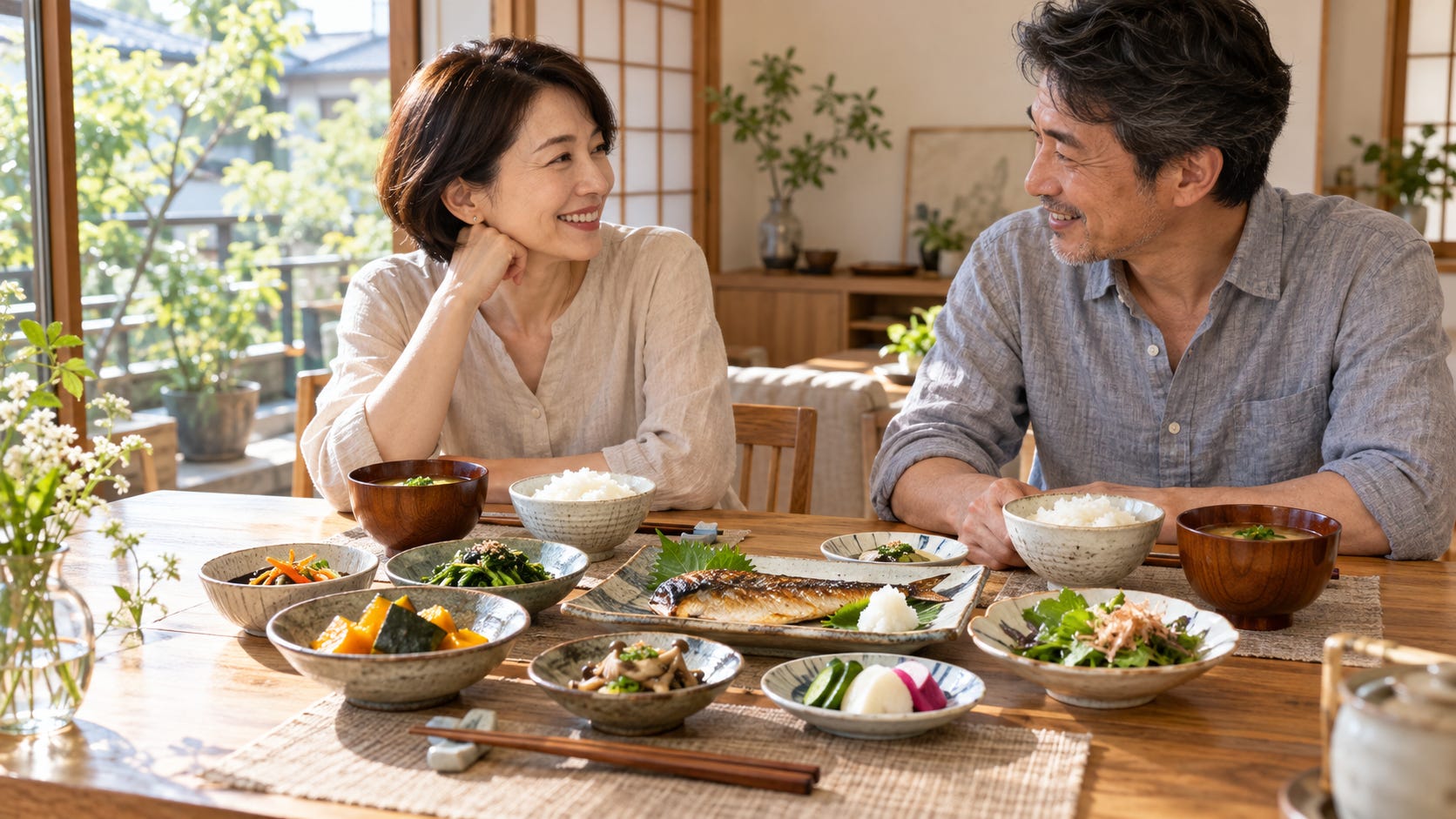
Japanese meals are traditionally built around rice paired with soup, vegetables, and a protein dish, rather than a single oversized bowl of rice
A small rice serving in Japan typically runs about 100 to 140 grams cooked, though restaurant portions can run larger
The eating habit called hara hachi bu means stopping at comfortable satisfaction rather than following a strict diet rule, and it works alongside meal structure rather than as a stand-alone fix
Readers curious about turning these meal-pattern lessons into a workable daily habit may find the mindset side of that shift worth looking into
Rice gets blamed for a lot in conversations about weight, yet Japan eats rice daily and still reports far lower obesity numbers than the United States. That gap has fueled a popular but shaky idea: rice itself must carry some special property. A closer look at the actual eating pattern tells a more useful story, one about how meals are put together, how big the portions really are, and even how obesity gets measured in the first place.
