

Ever notice how every diet asks you to skip dinner parties and dread birthday cake? There’s a biological reason willpower-based weight loss keeps backfiring like a stretched slingshot, and a different approach that lets you keep your social life intact.

Key Takeaways
Losing weight does not require giving up a social life or personality, because lasting change starts with identity shifts instead of restrictive diets
Willpower-based diets tend to backfire through a pattern known as the Slingshot effect, where restriction snaps back into overeating
An identity-first approach treats slip-ups as data to learn from rather than moral failures
Five practical steps can help reprogram automatic food habits without cutting out social events or dinners with friends
Quieting constant mental chatter about food is possible without adding more rules or restrictions
Most people over 40 who have tried diet after diet eventually ask the same question: why does losing weight seem to mean losing everything else, too? The social dinners, the spontaneous dessert, the easy relationship with food at a birthday party all seem to disappear the moment a “plan” starts. Weight loss does not have to come at the cost of personality or connection with other people. A shift in focus from the plate to the mind changes the entire equation.
Weight Loss That Doesn’t Change Who You Are
Diets tend to ask a person to become smaller in more ways than one. Quiet at the dinner table, rigid about restaurant menus, anxious about office snacks - the rules pile up until the person shrinks along with the number on the scale. That trade-off feels inevitable because most programs focus entirely on food intake and ignore the mental patterns driving the behavior in the first place.
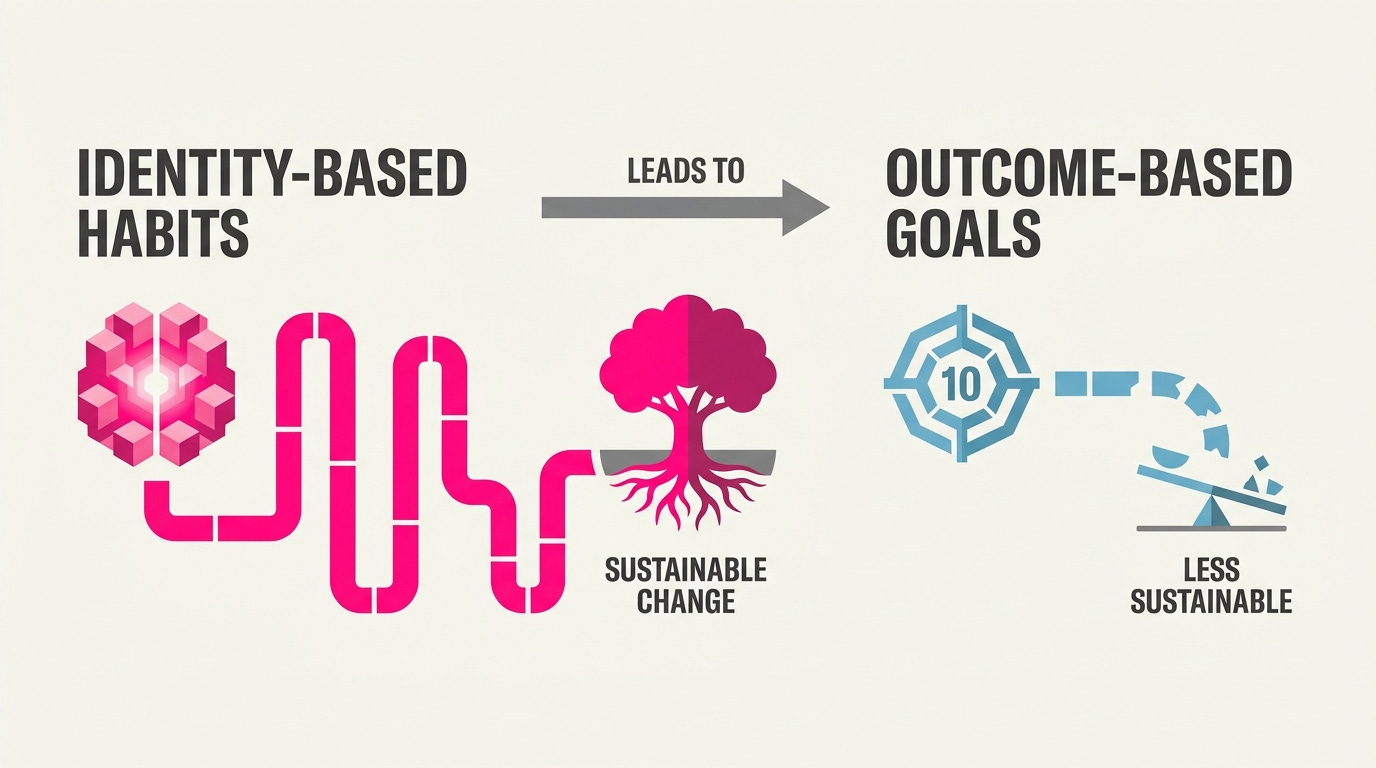
A different approach starts with the idea that behavior follows identity, not the other way around. When a person sees themselves differently, choices around food start to shift naturally, without a white-knuckle grip on every meal. Weight Loss Mindset builds its method around this identity-first idea, treating the real problem as mental software and brain chemistry rather than a character flaw or a lack of discipline.
This matters most for people who have already tried keto, intermittent fasting, and calorie counting and know exactly what those programs demand socially. The goal is to keep laughing at the table, saying yes to the dinner invite, and still making progress toward a healthier weight, rather than following another meal plan.
Why Willpower Diets Backfire
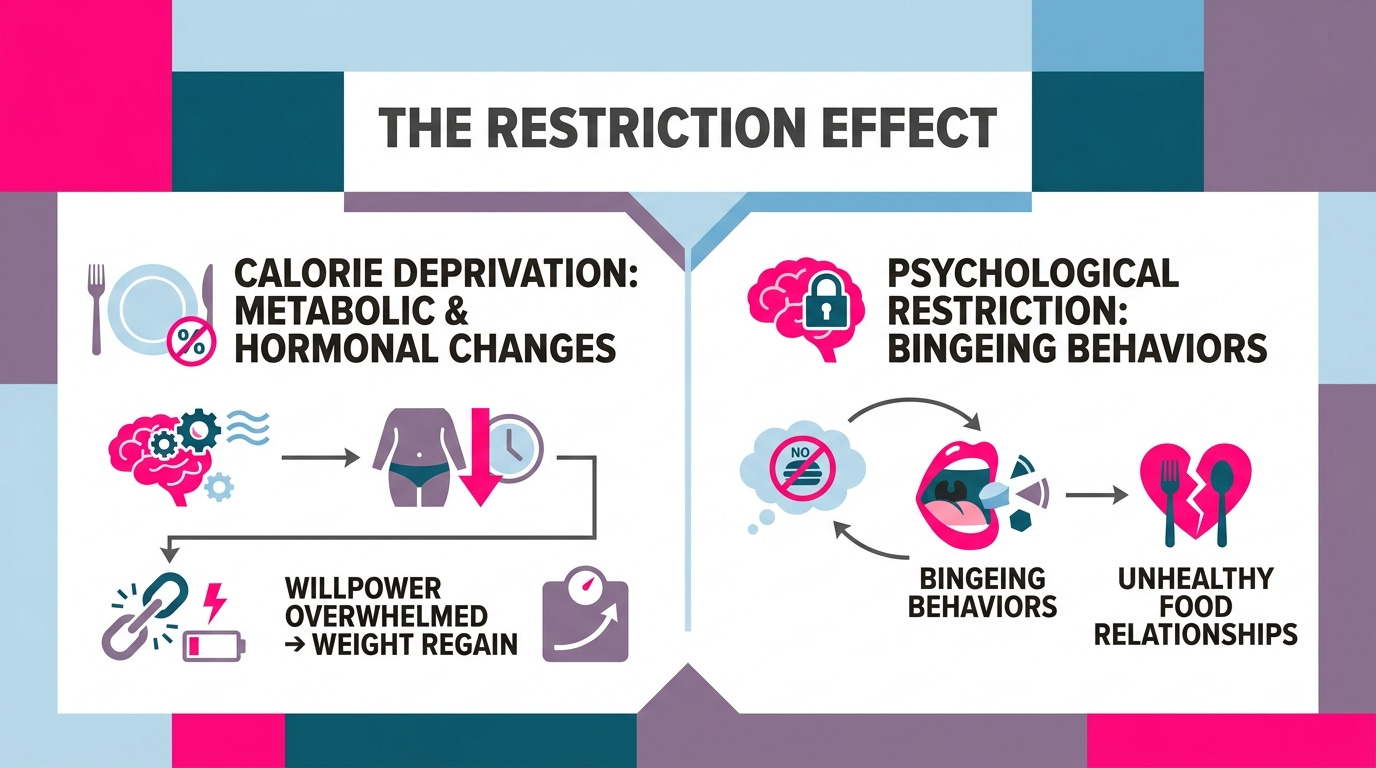
Willpower sounds like a solution until it gets tested against real biology. The body and brain are not designed to cooperate with constant denial, which is exactly why so many diets work for a few weeks before collapsing entirely.
The Beach Ball Underwater Problem
Holding a beach ball underwater takes constant effort. The arms tire, the grip loosens, and eventually the ball shoots to the surface with more force than if it had never been pushed down at all. Willpower around food works the same way. Fighting cravings through sheer grit requires constant energy, and once that energy runs out, the craving surges back harder than before, usually at the worst possible moment, like late in the evening when the day’s effort has worn a person down.
The Slingshot Effect of Restriction
Restriction creates tension, and tension has a way of snapping back. Cutting out entire food groups or slashing calories triggers real physiological responses - hunger hormones rise and blood sugar can crash - alongside a psychological sense of deprivation that reads as a threat. The harder the pullback, the harder the rebound, much like a slingshot pulled tight before release. This reflects biology and physics rather than weak character, and understanding that distinction removes a huge amount of shame from the process.
Identity Drives Behavior, Not the Other Way Around
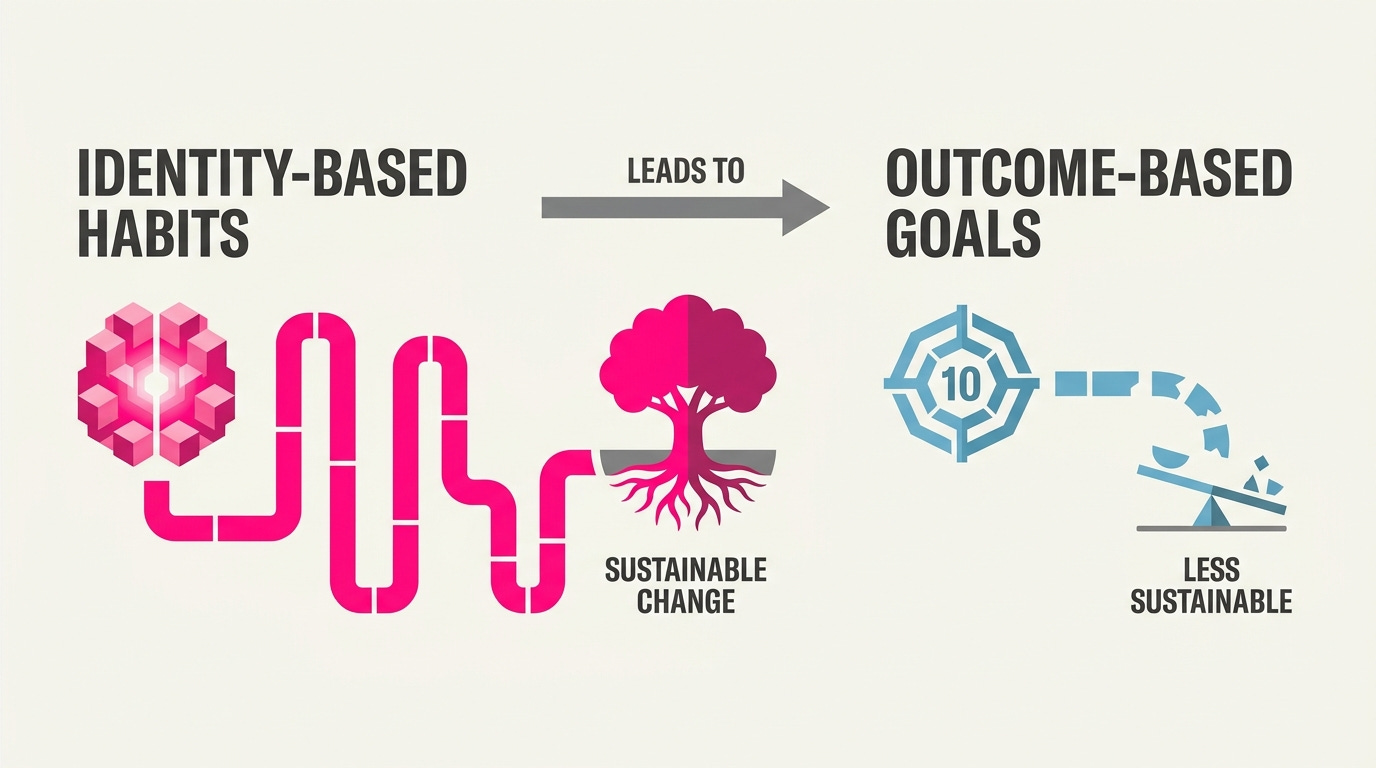
If restriction keeps backfiring, the alternative is to stop treating the body as the problem and start looking at the identity running underneath daily choices. Habits, cravings, and automatic behaviors are downstream of who a person believes they are, which means changing that underlying belief can let old habits fall away without a fight.
Resetting the Identity Thermostat
Diets function like opening a window when a room gets too warm. It is a temporary fix that only works as long as someone keeps paying attention. Resetting the identity instead works like adjusting the thermostat itself, which keeps the room at the right temperature without constant intervention. This is the core idea behind what gets called the Identity Thermostat - rather than relying on short bursts of discipline, the internal setting changes, and behavior adjusts to match it over time.
Scientists, Not Judges
Every slip-up becomes a courtroom moment under a willpower-based diet, complete with a verdict and a punishment. An identity-based approach asks for a different role entirely: that of a scientist collecting data instead of a judge delivering a sentence. A scientist examines what happened after a stressful day at work, or what triggered a 9 p.m. trip to the pantry, purely out of curiosity rather than guilt. This “Scientists, not Judges” mindset removes the moral weight from eating decisions and replaces it with useful information that can actually change the pattern next time.
Five Steps to Reprogram Your Food Mindset
Reprogramming a mindset sounds abstract until it gets broken into specific, repeatable actions. The following steps outline a practical path from automatic reaction to conscious choice.
1. Spot the Identity Labels You’ve Pinned to Yourself
Most people carry labels they never consciously chose: “I’m someone who always quits,” “I have no self-control,” “I’m just a stress eater.” These labels get pinned on early and reinforced every time a diet fails, until they start to feel like facts instead of stories. Recognizing a label as a belief rather than a biological truth is the first step toward loosening its grip on daily behavior.
2. Uncover the Real Reasons Behind Food Choices
Every food choice has a reason behind it, even when that reason is not obvious in the moment. A late-night snack might be about loneliness, boredom, or simply a tired brain looking for a dopamine hit rather than actual hunger. Once the real reason becomes visible, it becomes much easier to address directly instead of papering over it with another rule about what not to eat.
3. Interrupt Automatic Loops in Real Time
Automatic habits run on loops: a trigger, a craving, a behavior, and a reward, repeated so many times that the whole sequence feels instant and unavoidable. Interrupting that loop in the moment - through a short pause, a mental reframe, or a simple grounding technique - gives a person a chance to choose a different response before the behavior finishes playing out. Over time, these interruptions weaken the loop until it no longer runs on autopilot.
Two more pieces round out the full five-step process: resetting the Identity Thermostat discussed earlier, and consistently replacing the Judge with the Scientist when reviewing choices after the fact. Together, these steps form a complete shift from fighting cravings to understanding them.
Keeping Your Social Life Intact
This approach works even when a dinner invitation shows up or a friend’s barbecue calls for more than a cooler of pre-measured meals. The point of an identity-based approach is to keep a full, connected life while weight comes off as a side effect of changed behavior.
Quieting Food Noise Without Food Rules
Constant mental chatter about food - what to eat, what to avoid, what was eaten an hour ago - drains energy and attention away from actual conversations and experiences. Quieting that noise does not require a longer list of forbidden foods. It requires a neutral relationship with food, where a slice of cake at a celebration carries no more emotional weight than a piece of fruit. That calm, quiet-mind state allows a person to stay fully present at the table instead of running a silent calculation in the background.
Slip-Ups as Data, Not Dinner Party Disasters
A second helping at a holiday dinner does not have to spiral into a weekend-long binge or a wave of self-criticism. Treated as data instead of a disaster, that moment becomes useful information: what led up to it, what emotion was present, what might help next time. This reframe keeps social events enjoyable rather than something to dread or avoid, which matters enormously for people who have spent years feeling like they had to choose between their waistline and their social calendar.
Lasting Change Starts in the Mind, Not the Plate
The pattern running through every piece of this approach is the same: behavior follows belief, and belief can change. Swapping out a meal plan for another meal plan rarely fixes anything for long, because the mental software underneath stays exactly the same. Shifting the identity first, then letting the daily choices follow, tends to produce change that sticks because it never asks anyone to disappear at a dinner party or sit out a celebration to make progress.
For a practical next step, consider an identity-based weight loss approach that keeps food freedom and a full social life firmly in the picture.