

Standing at the fridge at 11pm again? Science points to a specific hormone shift, not weak willpower, and one study links chronic short sleep to a 38% higher obesity risk. Here’s what’s really driving that midnight pull.
Key Takeaways
Late-night emotional eating usually comes from a mix of sleep loss, shifting hunger hormones, and mental fatigue, rather than a lack of willpower.
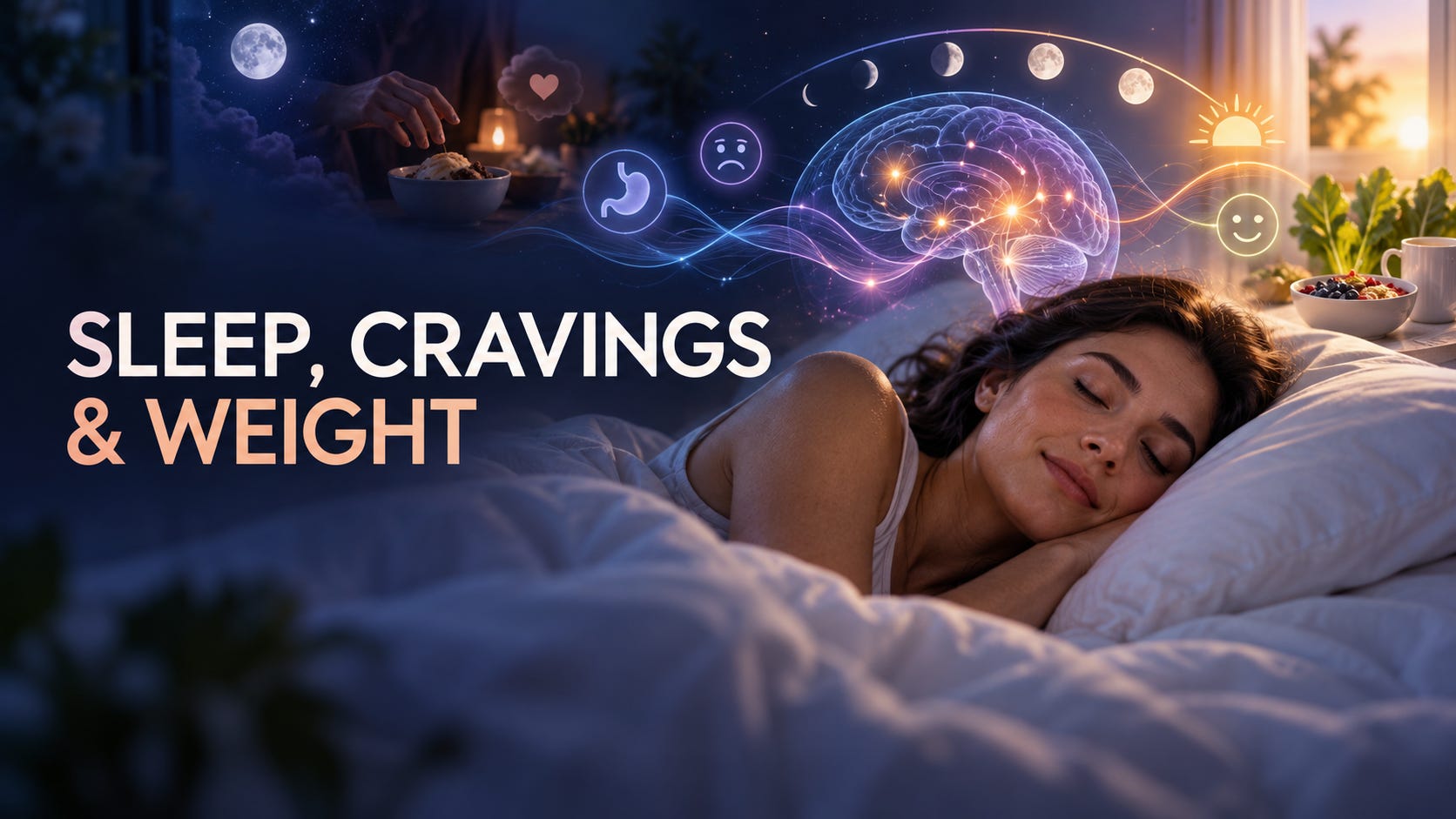
Short sleep raises ghrelin and lowers leptin, leaving the body hungrier and less satisfied even after eating a full meal.
The internal circadian clock pushes cravings toward sweet and salty foods in the evening, regardless of what was eaten earlier in the day.
A tired brain relies more on its reward system and less on its judgment center after dark, a pattern explained further below.
These late-night patterns are worth treating as data to understand rather than a moral failing to fix through discipline.
Standing in front of the open refrigerator at 11pm, feeling powerless against the pull toward the chips or the ice cream, is a moment that carries a lot of shame. Most people over 40 who have lived through diet after diet assume this moment proves something is wrong with them. The truth involves sleep chemistry, hormones, and a brain that gets tired right along with the body.
Why 11pm Cravings Aren’t Willpower Failures
The story people tell themselves at 11pm usually sounds like this: “I was good all day, then I fell apart.” That framing turns a predictable biological event into a personal failing. Sleep researchers and metabolic scientists describe something different happening inside the body during those late hours, something that has little to do with character and everything to do with chemistry.
A day spent skipping meals, powering through stress, or sleeping too little sets the stage long before the kitchen light ever flips on. This pattern is worth investigating rather than judging, since understanding what’s actually happening in the body removes the shame that keeps so many people stuck in the same cycle year after year.
Two forces converge at night: physical exhaustion and mental fatigue. Both weaken the systems that normally help distinguish true hunger from a passing craving, so the late-night kitchen trip can feel involuntary even though it follows a predictable pattern.
How Sleep Loss Rewires Hunger Signals
Sleep does more than restore energy. It regulates a set of hormones that tell the body when to eat and when to stop, and short sleep throws that regulation off balance in specific, measurable ways.
Ghrelin, Leptin, and the Sleep-Craving Loop
Ghrelin signals hunger, and leptin signals fullness. When sleep runs short, ghrelin levels climb while leptin levels drop, creating a body that feels hungrier more often and less satisfied after finishing a meal. This shift reflects a change in the hormones circulating through the bloodstream after a night or a string of nights with too little rest, not a mood or a mindset problem.
That hormonal mismatch explains why a person who slept five hours might reach for a second helping of dinner and still feel unsatisfied an hour later. The body is responding to a chemical signal amplified by exhaustion, and a tired brain tends to reach for foods high in fat and sugar because they promise quick energy.
Short Sleep and Long-Term Metabolic Risk
The effects of short sleep don’t stop at a single night’s cravings. Research on consistent short sleep duration, defined as less than 7 hours a night, has found measurable changes in appetite regulation, metabolic health, and food cravings over time. That research links chronically shortened sleep to a 38 percent increase in obesity risk among adults.
That figure matters because it reframes the 11pm kitchen moment as part of a larger pattern rather than an isolated lapse. Short sleep and emotional eating tend to travel together, and the relationship works in both directions: poor sleep fuels cravings, and eating late can disrupt the very sleep cycle needed to break the loop.
Your Circadian Clock Wants Sweets at Night
Beyond sleep debt, the body runs on an internal circadian clock that shifts appetite on its own schedule, independent of how much was eaten earlier in the day. Circadian biology research documents this clock nudging cravings toward sweet and salty foods specifically in the evening hours, regardless of a person’s actual food intake or activity level that day.
This is worth sitting with for a moment. The craving for something sweet at 9 or 10pm reflects a built-in rhythm, the same kind of internal clock that governs sleep-wake cycles and body temperature, rather than poor discipline catching up with someone. Eating late into the night can also interfere with that same rhythm, creating a feedback loop where late meals disrupt sleep and disrupted sleep intensifies the next night’s cravings, with downstream effects on blood sugar regulation.
The Emotional Triggers Behind Late-Night Eating
Biology explains part of the 11pm kitchen moment, and emotion fills in the rest. The hours after a long day are often the first quiet stretch a person has had since morning, and that quiet has a way of surfacing feelings that got pushed aside during work, parenting, or simply staying busy.
Stress, Depletion, and a Tired Brain’s Poor Judgment
A full day of decisions, deadlines, and demands leaves the brain running on fumes by evening. The prefrontal cortex, the part responsible for weighing choices and exercising judgment, becomes less active with fatigue, while the brain’s reward system takes on a larger role in steering behavior. That shift explains why a decision that would feel easy to skip at 2pm suddenly feels irresistible at 11pm.
Stress compounds the problem. It increases cravings directly while simultaneously weakening the very brain systems needed to resist them, a double effect that makes evening the hardest stretch of the day for anyone managing tension from work, family, or daily life. None of this reflects a character flaw; it reflects a brain and body running low on reserves after hours of continuous demand.
Boredom, Loneliness, and the Comfort of Food
Stress isn’t the only emotional driver. Boredom, loneliness, frustration, and anxiety all make food feel like comfort once the house goes quiet and the distractions of the day disappear. Food offers something reliable and immediate: a sense of relief that arrives fast, even though it doesn’t touch the actual feeling underneath it.
This pattern, sometimes described in clinical settings as Night Eating Syndrome, often occurs alongside depression or anxiety, though having either condition doesn’t rule out a diagnosis on its own. It tends to respond well to structured approaches like cognitive behavioral therapy that help separate the emotional trigger from the eating behavior itself. Recognizing the trigger as data, rather than proof of a flaw, is the first step toward loosening its grip.
Breaking the Cycle Without Restriction
None of this means the 11pm kitchen moment is unchangeable. The solution has to work with the body’s biology instead of against it, which rules out restrictive diets that tend to backfire the harder they’re applied.
Eating Enough by Day to Quiet Evening Hunger
Skipping meals or under-eating during the day is one of the most reliable ways to guarantee an intense craving by nightfall. Balanced meals built around protein and fiber throughout the day help keep hunger hormones steady, which reduces the likelihood of an overwhelming pull toward the pantry later on.
Building breakfast and lunch around a solid protein source helps blunt the ghrelin spike that often shows up by evening.
Adding fiber-rich foods like vegetables, beans, or whole grains slows digestion and extends the feeling of fullness.
Spacing meals evenly across the day, rather than saving most calories for dinner, keeps blood sugar steadier heading into the evening hours.
Mindful Pauses That Separate Craving From Hunger
A brief pause before opening the refrigerator creates space between the impulse and the action. Mindful eating practices, such as noticing the actual taste, texture, and satisfaction of food, help separate a genuine physical hunger from an emotional urge dressed up as hunger. That pause can be as simple as asking, honestly, what’s actually being felt in that moment before deciding what to do next.
Calming the Nervous System Before Bed
A nervous system running on high alert makes cravings louder. Evening routines that lower that alert level, such as dimming screens, cutting off caffeine earlier in the day, and keeping a consistent bedtime, support both better sleep and steadier hormone regulation the following day. Simple practices like deep breathing or a short stretching routine before bed can lower stress in the moment, which in turn reduces the emotional pull toward food once the lights are off.
The Real Cause Was Never Discipline
The 11pm kitchen moment carries a lot of weight for something that has such a clear biological and psychological explanation. Sleep hormones shift, the circadian clock pushes appetite toward sweets, the brain’s judgment center gets tired right along with the body, and unresolved feelings surface once the day quiets down. None of that adds up to a discipline problem.
Seeing the pattern clearly, rather than judging it, is what makes it possible to change. For those ready to look at their own late-night patterns as useful information instead of a moral failing, subscribing here provides a starting point for that shift, an approach Weight Loss Mindset builds its work around.
A few consistent evening habits built around steady daytime meals, mindful pauses, and a calmer bedtime routine can make that late-night pull far easier to manage.