

You’ve tried high-protein, you’ve tried low-carb, and both worked... until they didn’t. Between 80% and 95% of dieters regain the weight - so what’s the hidden flaw both approaches share that no meal plan can fix?
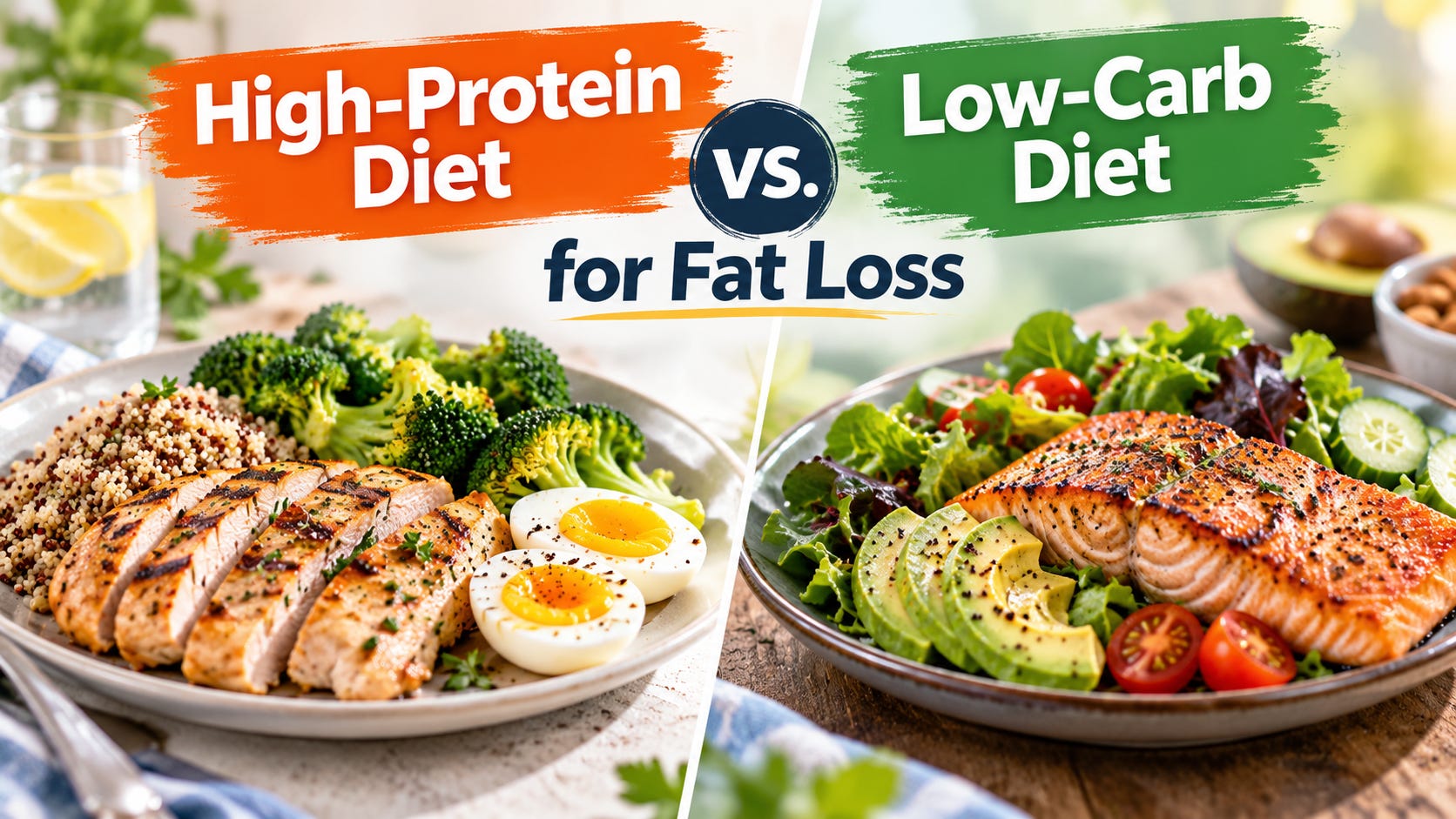
Key Takeaways
Most people who lose weight through restrictive dieting regain it, with research showing 80 to 95 percent regaining within three to five years
High-protein diets support short-term appetite control, and while they can stress kidneys in people with existing kidney dysfunction, there is little evidence of harm for healthy individuals, with some studies even linking protein intake to stronger bone density
Low-carb diets often produce fast early results that fade by the twelve to twenty-four month mark; the heart, kidney, and cancer risks noted in research are tied specifically to very low-carb ketogenic diets, and low-carb eating itself has not been shown to harm kidney health in healthy people or those with type 2 diabetes
Restriction of any kind can trigger a physiological and psychological snap-back that undoes progress, which is why Weight Loss Mindset centers its approach on identity change instead of another meal plan
Resetting identity rather than counting macros may be the missing piece for lasting fat loss
Every January, and every “new year, new me” Monday after, millions of people pick a side: high-protein or low-carb. Both camps have research behind them, passionate followers, and success stories. Yet both quietly share the same failure rate down the road, which raises an uncomfortable question worth sitting with before choosing a side at all.
Why 80% to 95% Regain Lost Weight
The number is hard to ignore. Research on dieting outcomes shows that 80 to 95 percent of people who lose weight regain it within three to five years. That is not a rounding error or a handful of unlucky cases. That is nearly everyone who tries.
This pattern repeats across high-protein plans, low-carb plans, low-fat plans, and every other menu-based approach in between. The common thread is not the macronutrient ratio. It is the reliance on restriction as the mechanism for change, paired with an absence of any real work on the mental patterns driving food choices in the first place. Weight Loss Mindset, an identity-based coaching approach out of Sheridan, Wyoming, has built its entire framework around addressing that missing layer.
Before digging into why high-protein and low-carb diets each carry their own version of this same problem, it helps to understand what regain actually does to a person beyond the number on the scale. The cycle of losing and regaining weight tends to erode self-trust, building frustration and hopelessness with each failed attempt. That emotional wear matters just as much as the physical wear, and it rarely gets addressed by a new meal plan.
High-Protein: Satiety Now, Strain Later
High-protein eating has earned its popularity for good reason. It works, at least for a while, and the mechanism behind that early success is well understood.
Short-Term Appetite Benefits
Protein is widely recognized as the most satiating macronutrient, meaning it does more to quiet hunger than fat or carbohydrates do per calorie. A higher-protein intake can influence hunger-regulating hormones directly, which helps explain why people on these plans often report feeling fuller for longer and eating less without consciously trying to.
Preserving lean muscle mass during a calorie deficit is another documented benefit, which is part of why high-protein approaches remain popular among trainers working with a calorie-restricted client.
Long-Term Risks to Kidneys and Bones
The picture further down the road is more nuanced than it first appears. High protein intake can stress the kidneys and worsen renal function in people who already have kidney dysfunction, but there is little evidence that it poses a danger to healthy individuals. Some research even points to a positive link between protein intake and bone mineral density, which cuts against the older assumption that protein quietly erodes bone health. The real caution applies to a narrower group of people, not to protein eating as a whole.
Low-Carb: Fast Results That Fade
Low-carb diets tell a strikingly similar story, just with a different set of numbers attached.
Why Early Losses Are Hard to Sustain
Comparisons between low-carb and low-fat approaches consistently show low-carb pulling ahead in the short term. The catch appears at the twelve- and twenty-four-month marks, where the early advantage shrinks to something not very large, and in many cases cannot be sustained at all. The pattern lines up with a broader finding on dieting in general: weight loss attempts tend to last an average of four weeks for women and six weeks for men before the plan quietly falls apart.
Heart and Kidney Concerns for Some, Not All
The heart arrhythmia, kidney damage, elevated cancer risk, and impaired physical performance flagged in the medical literature are tied specifically to ketogenic diets, which restrict carbohydrates far more severely than a standard low-carb plan. Research on low-carb eating more broadly indicates it does not appear harmful to kidney health in healthy individuals or in people with type 2 diabetes. What stays consistent across the research is the timeline: fast results up front, followed by a slow fade that mirrors what happens on the high-protein side of the aisle.
The Real Reason Restriction Backfires

High-protein and low-carb diets look different on paper. Underneath, they share the same flaw, and understanding that flaw matters more than picking a side.
The Body Reads Dieting as a Threat
Reduced energy availability, whatever the source of that reduction, gets interpreted by the body as a threat to survival rather than a lifestyle choice. That interpretation sets off metabolic, hormonal, and neurological changes that can overwhelm willpower entirely, regardless of how motivated someone feels on day one. Documented effects of this kind of restriction include a preoccupation with food, heightened emotional responsiveness, and distractibility, all of which chip away at the ability to stick with any plan built on gritted-teeth discipline.
Restriction Creates Tension That Snaps Back
Restriction does not create balance; it creates tension, and tension always snaps back. Pull the rubber band tighter with stricter rules, and the eventual release only becomes more forceful. This shows up physiologically through spiking hunger hormones and crashing blood sugar, and psychologically through deprivation that reads as a threat rather than a choice. The 11pm kitchen moment that so many dieters describe with shame is closer to physics than character.
Shifting Identity Instead of Menus
If the menu is not the real problem, the solution has to live somewhere else. This is where identity-based work steps in as a genuinely different approach.
Resetting the Identity Thermostat
Lasting change requires an identity shift that transcends any diet plan or daily habit checklist. Weight Loss Mindset builds its approach around resetting the Identity Thermostat rather than opening another window with another temporary meal plan. The distinction matters because a thermostat holds a setting; a window just lets in a brief draft before closing again on its own.
Trading the Judge for the Scientist
Sustainable behavior change tends to track closely with identity, because identity-based habits become part of who someone is rather than a temporary action aimed at an outcome. A growth mindset that treats setbacks as data to learn from, rather than proof of failure, may improve a person’s chances of success and help them stay committed to weight-related goals. This same idea shows up as trading the Judge for the Scientist: a slip-up becomes data to study rather than a verdict to punish oneself over.
Interrupting Cravings in Real Time
Mindset work addresses both long-term identity change and the need for tools when a craving hits. Memory and learning play a central role in how cravings form and persist, and emotional eating tends to trace back to difficulty regulating emotion rather than a simple lack of food knowledge. Working memory is an important cognitive process underpinning appetite control, and tasks that compete for limited working memory resources with food-related imagery have been shown to reduce the desire to eat that food. Real-time interruption tools, built around noticing an urge as a passing wave rather than a command to obey, give a person something concrete to do in that specific moment rather than relying on willpower alone.
Mindset Change Outlasts Any Meal Plan
High-protein diets and low-carb diets both deliver real, measurable results in the short run. Neither one, on its own, has solved the regain problem that follows nearly everyone who diets. The missing piece sits in the identity and mindset layer underneath the food choices, not in the macronutrient ratio on the plate.
For anyone over 40 who has cycled through both approaches and landed back where they started, that pattern is worth taking seriously rather than blaming on personal willpower. Weight Loss Mindset treats the recurring cycle as a signal that the food plan was never the real lever to pull.
For a next step that moves beyond another restrictive plan, consider an identity-based approach to lasting fat loss.